
A trip to North Goa is rarely complete without a little shopping and if you’re staying around Calangute, the Calangute Flea Market is an easy place to spend an evening. Beachwear, jewellery, souvenirs, bags, handicrafts, small gifts, it’s all there, spread across a strip of stalls near the main beach road.
The best part? You don’t need to plan your whole day around it. Go after the beach, browse for an hour or two, bargain where it makes sense and walk away with a few things that actually remind you of the trip. But not everything on those stalls is worth buying, some things make genuinely good purchases, others just look tempting under the market lights. Here’s a practical guide to shopping smarter at the Calangute Flea Market, plus a note on which hotels near Calangute beach make the whole outing easier.
What Is the Calangute Flea Market Like?
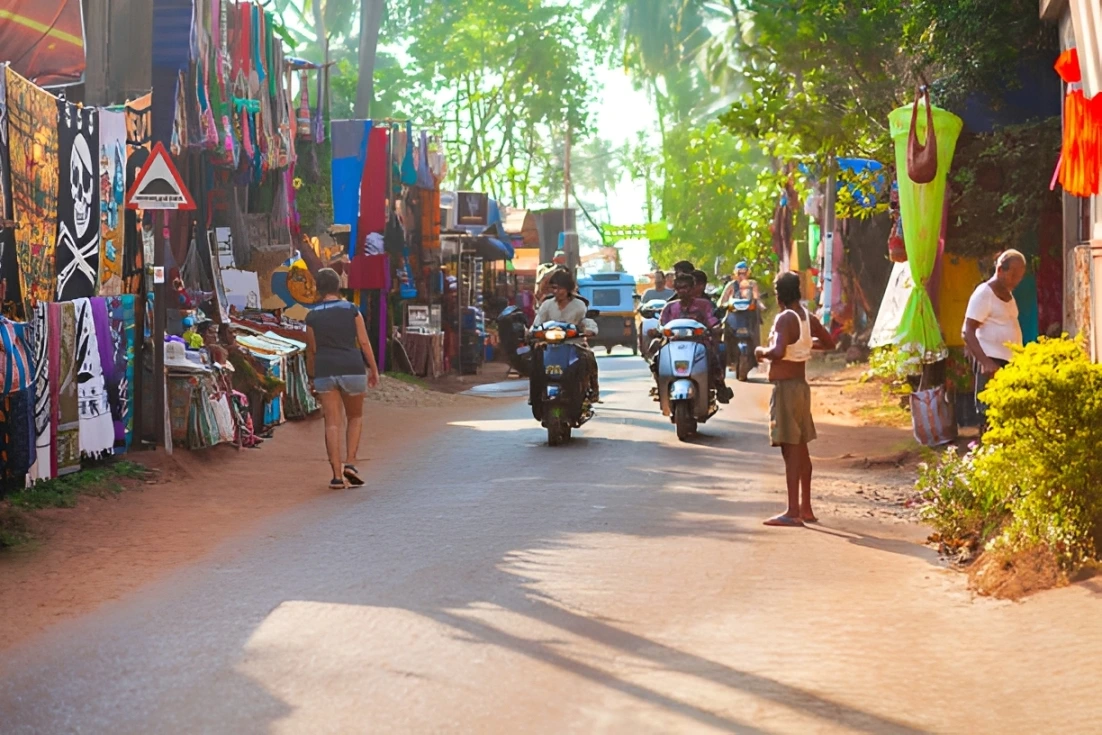
“Calangute Flea Market” is really the name travellers use for the shopping area around Calangute Market Square and the streets around it. It isn’t quite the same as some of Goa’s seasonal, one-day-a-week flea markets, this is more of a busy commercial shopping strip, permanent shops mixed with stalls and smaller vendors, open pretty much every day. You’ll find clothing, beach accessories, leather goods, jewellery, handicrafts and souvenirs, along with Tibetan and Kashmiri-style stalls adding more textiles and jewellery to the mix, especially if you’d rather browse street stalls than spend your evening in a mall.
Best Time to Visit Calangute Flea Market
Mornings are quieter if you’d rather not get pulled into ten stalls at once. The Calangute Flea Market picks up properly by late afternoon and stays lively well into the evening, once the heat drops and both tourists and locals come out. Saturdays tend to be the busiest and exact opening hours vary a bit from shop to shop, so it’s worth checking locally on the day rather than planning around a fixed time. If you’re staying at one of the Calangute hotels nearby, it’s easy enough to swing by twice, once in the morning to get a sense of prices, once in the evening to actually shop.
What’s Actually Worth Buying
1. Beachwear and Holiday Clothes
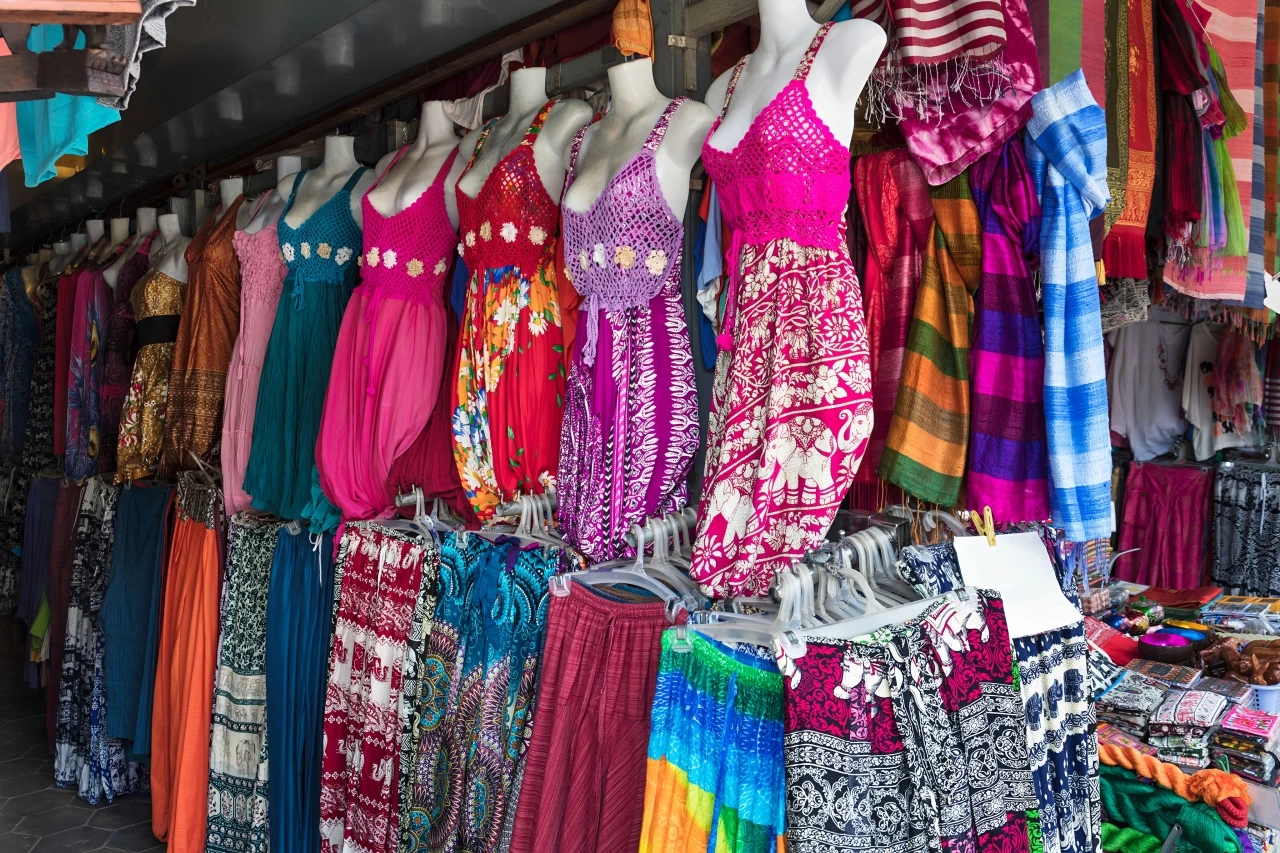
If you forgot a beach cover-up or just want something colourful to add to your wardrobe, this is one of the easiest wins here. Look for cotton shirts, sarongs, beach dresses, loose trousers and shorts. The selection is bright and very Goa-appropriate, but quality swings a lot from seller to seller, so check the stitching, fabric and zips before you pay and try things on where the stall allows it.
2. Small Jewellery and Accessories
Boho-style jewellery, beaded pieces, shell accessories, bracelets and simple necklaces are popular at the Calangute Flea Market, along with colourful earrings and anklets. They’re light, easy to pack and make good small gifts, just don’t take it as fact that every piece labelled “silver” or “handmade” actually is. If the material matters to you, ask the seller directly rather than paying extra based on the sales pitch alone.
3. Bags and Beach Accessories
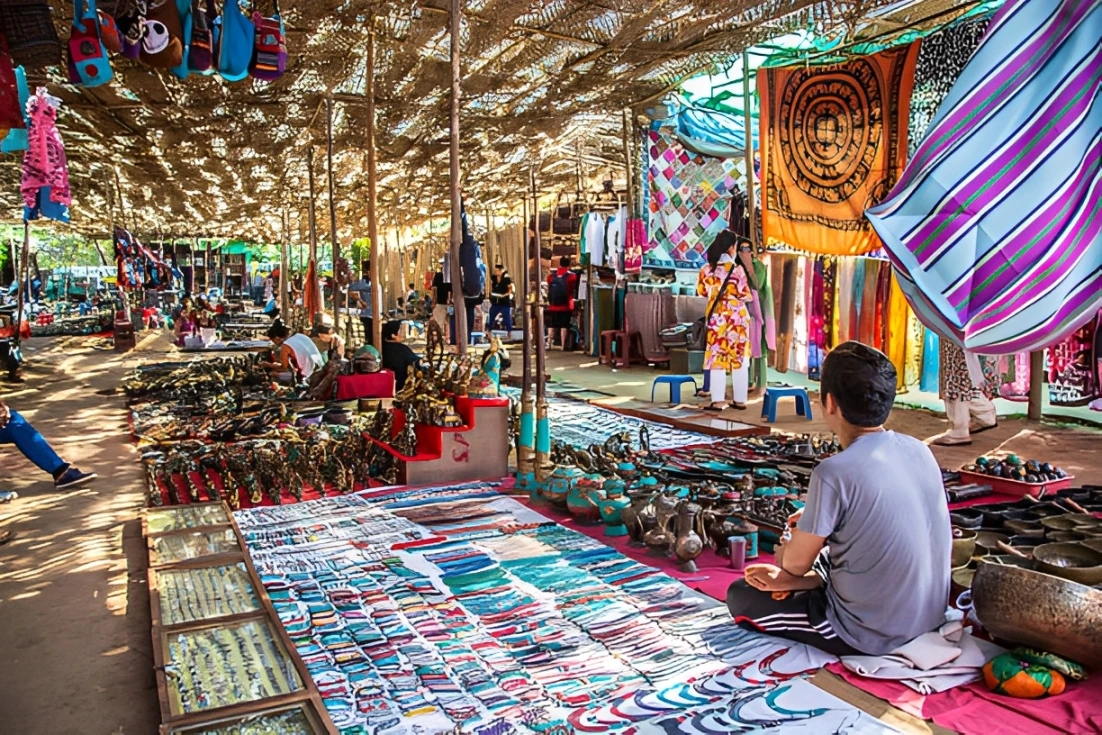
Cloth bags, woven totes, small backpacks and pouches are useful things to pick up at the Calangute Flea Market, usually in bright colours and patterns. Check the handles and stitching before buying, a bag can look sturdy on display and feel different once you put something in it. Hats, scarves and cheap flip-flops are worth grabbing too if you need them for the rest of your stay.
4. Handicrafts and Decorative Pieces
Wooden crafts, textiles, metal pieces and wall hangings show up across the Calangute Flea Market. Buy something because you genuinely like it, not because a seller insists it’s “rare,” and take a few minutes to compare designs and prices across a couple of stalls first.
5. Small Souvenirs and Gifts
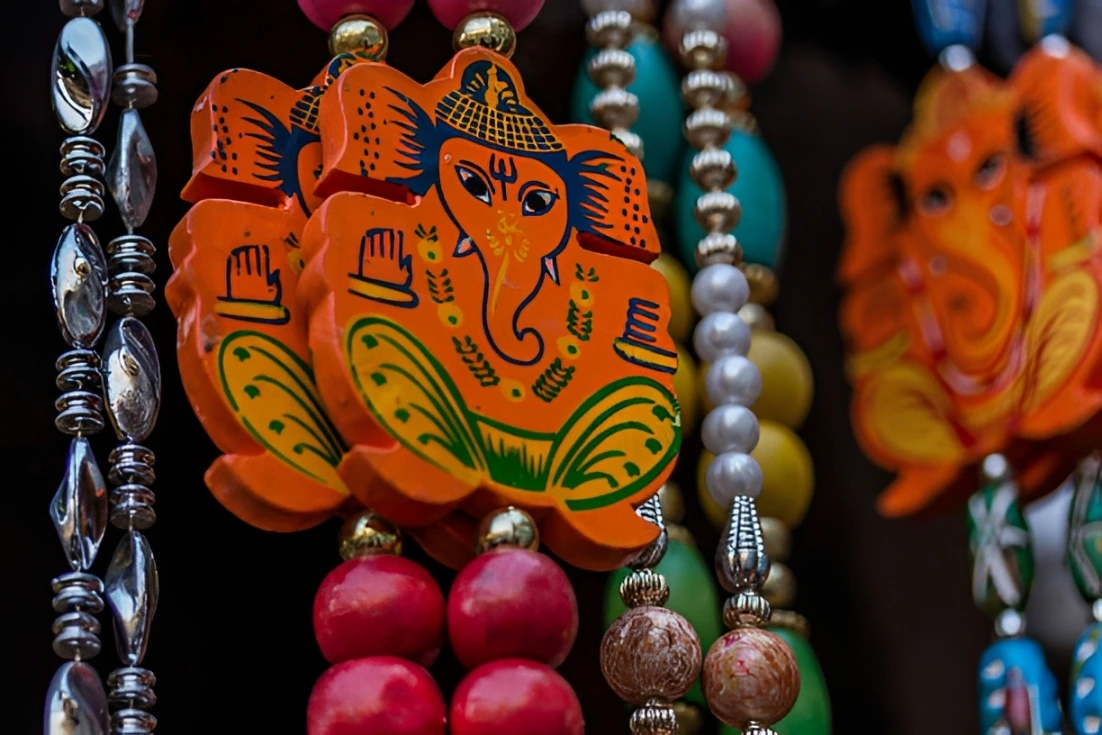
Souvenirs are probably the simplest thing to shop for here. Magnets, small decorative pieces, scarves and locally inspired trinkets all pack easily into a suitcase and spices, cashew and sweets like bebinca make good take-home gifts too, as long as the packaging looks proper. If you’re buying several small items from one stall, ask for a combined price rather than negotiating each piece separately.
What Should You Skip?
1. Anything That Looks Poorly Made
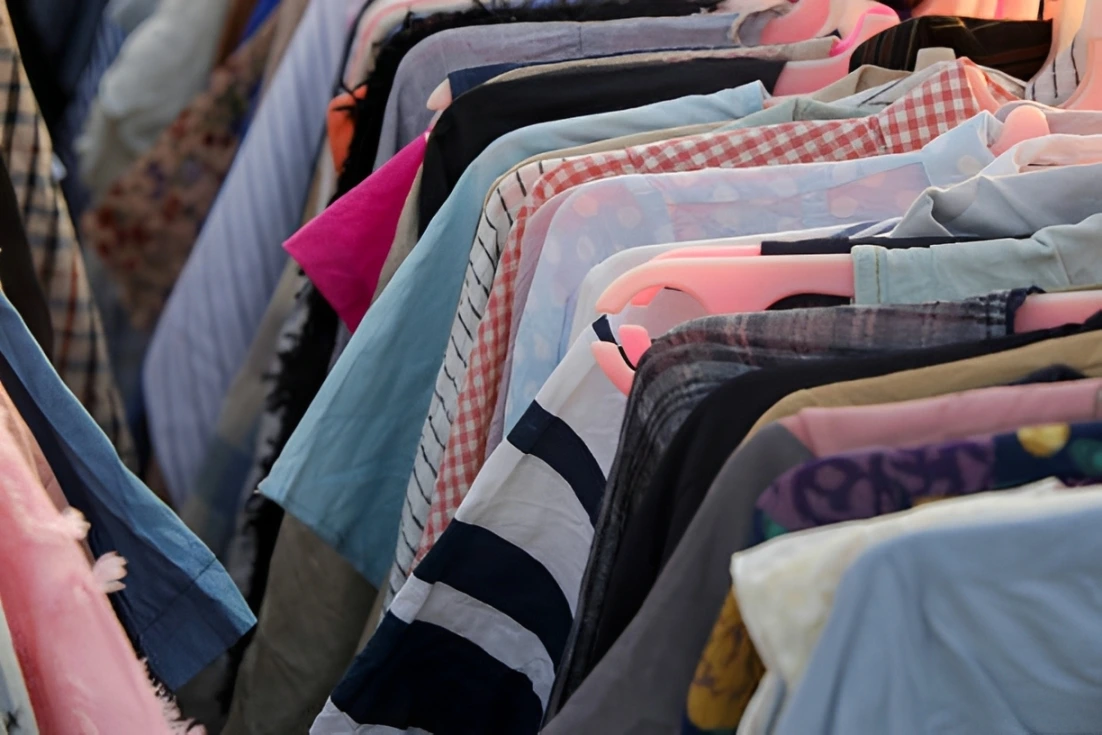
A low price doesn’t automatically mean a good deal. Weak stitching, peeling material, loose threads, or a broken clasp are all reasons to walk away and buying the first item you like without comparing prices at a few other stalls is a common way to overpay for it.
2. “Branded” Products at Suspiciously Low Prices
Be cautious with anything carrying a famous logo at a price that seems too good to be true. Street markets aren’t the place to assume a branded-looking bag or sunglasses are genuine. If authenticity actually matters to you, buy from an authorised retailer instead, the Calangute Flea Market is much better suited to casual finds and souvenirs.
3. Fragile Décor Unless You Can Carry It Safely
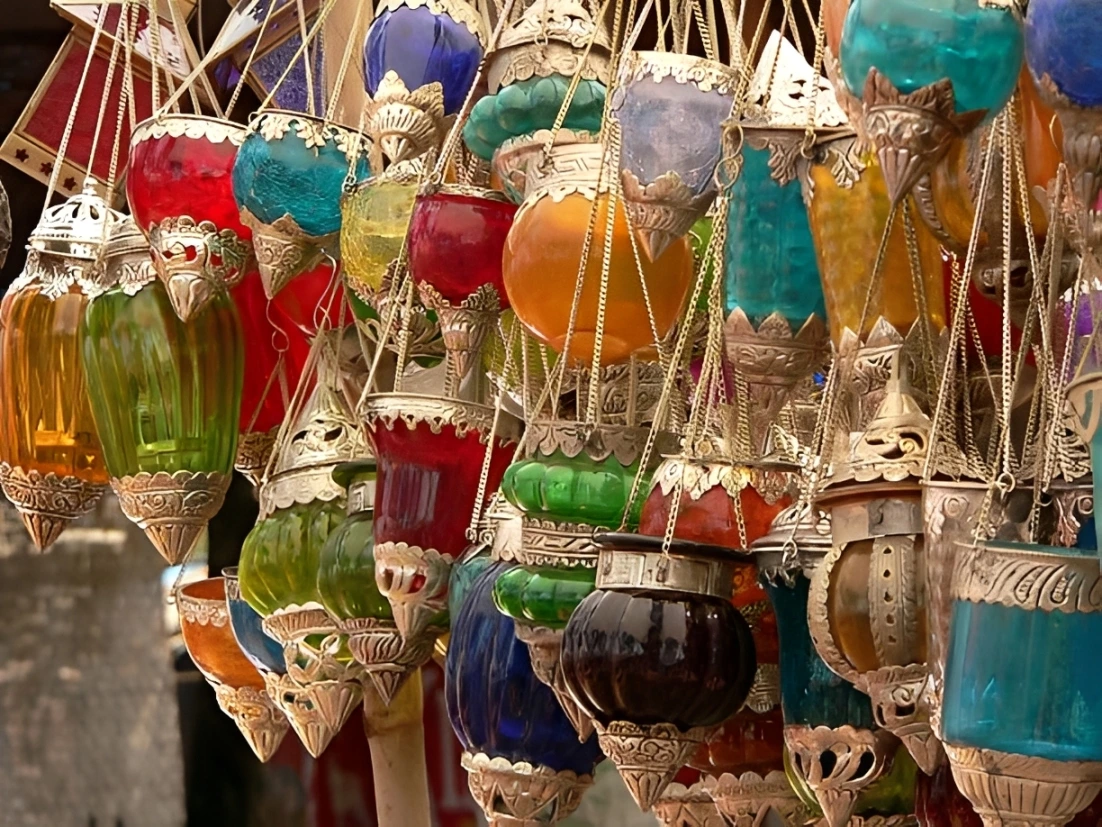
Large decorative pieces, delicate glass and fragile handicrafts are hard to pack, especially if you’re flying home. If you fall for something anyway, ask about proper packing before you pay.
4. Food Products Without Checking the Packaging
Goa has plenty of edible souvenirs worth taking home, but check packaged food carefully. Look for a sealed package, expiry dates and proper labelling, rather than buying something just because a seller says it’s “fresh.”
Bargaining Tips That Actually Work at the Calangute Flea Market
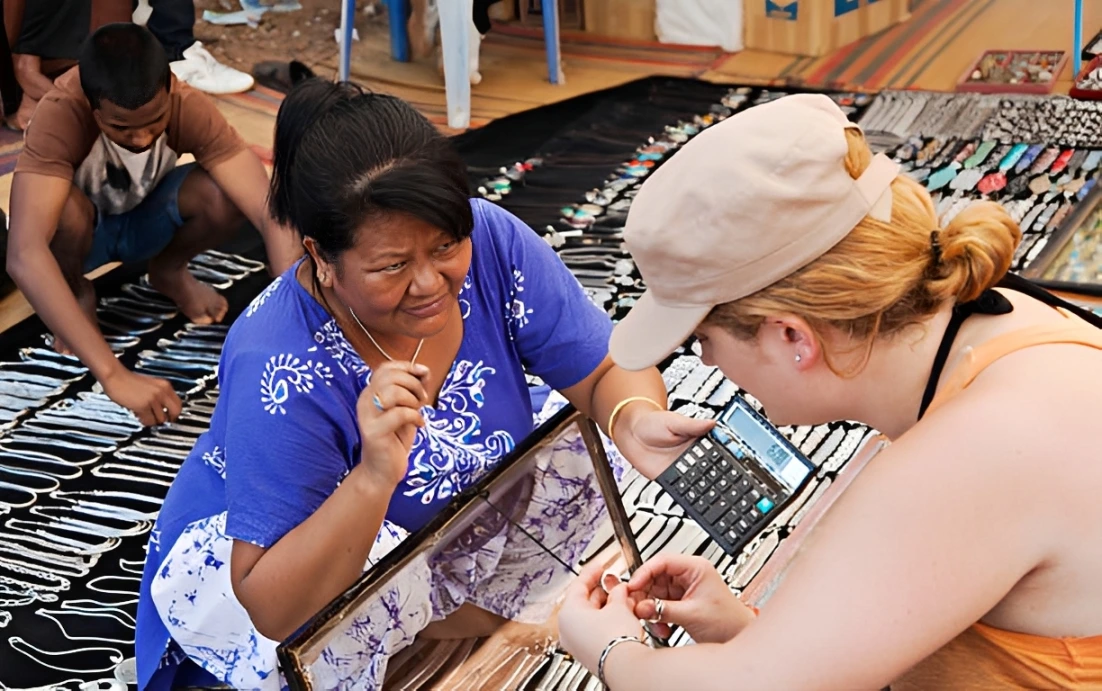
Bargaining is normal here and most sellers build room for it into their asking price. A fair starting point is offering around 40 to 50 percent of what’s quoted, then meeting somewhere in between. Stay polite about it, a reasonable back and forth is part of the experience, but pushing hard for an unrealistic price just wastes everyone’s time. If a seller won’t budge, it’s fine to walk toward the next stall, that alone often gets you a better offer.
Go in with a rough idea of what you actually want too, it cuts down on impulse buys, carry enough cash but don’t keep it all in one place and keep your phone and wallet close when it gets crowded. If a seller makes a claim about material or authenticity on something expensive, ask for some kind of proof rather than taking the description at face value.
Where to Stay Near the Market
If shopping is part of your Goa plan, staying close by makes things a lot easier, you can head to the Calangute Flea Market without turning it into a whole excursion and get back to your room the moment you’ve had enough of the crowds.
There are plenty of Calangute hotels for travellers who want to stay near the beaches, restaurants and shopping streets all at once and a boutique property can be a nice, quieter option after a few hours outside. If you’re watching your budget, there are also decent affordable resorts in Goa around the area that don’t skimp much on comfort or location.
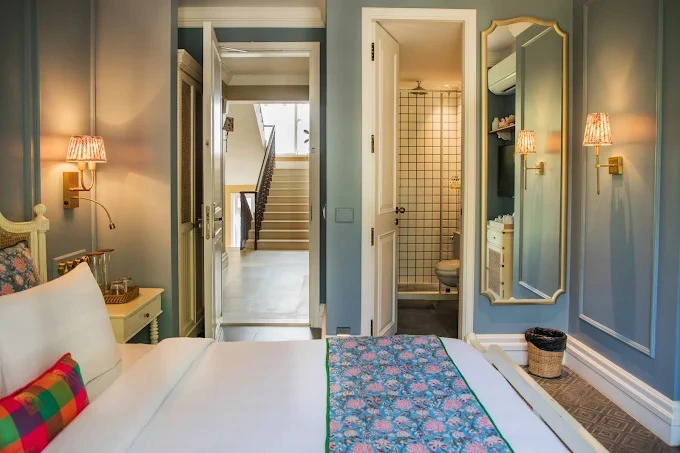
If location is your main priority, goa hotels near Calangute put you within easy reach of the market while keeping you close to other things worth seeing nearby and if you’d rather combine a beach day with an evening of shopping, one of the hotels near Calangute beach means you’re not spending half your evening travelling between the two. That’s really the advantage of staying around Calangute, your plans stay flexible, beach in the afternoon, market in the evening, dinner nearby, no complicated route back.
Is the Calangute Flea Market Worth Visiting?
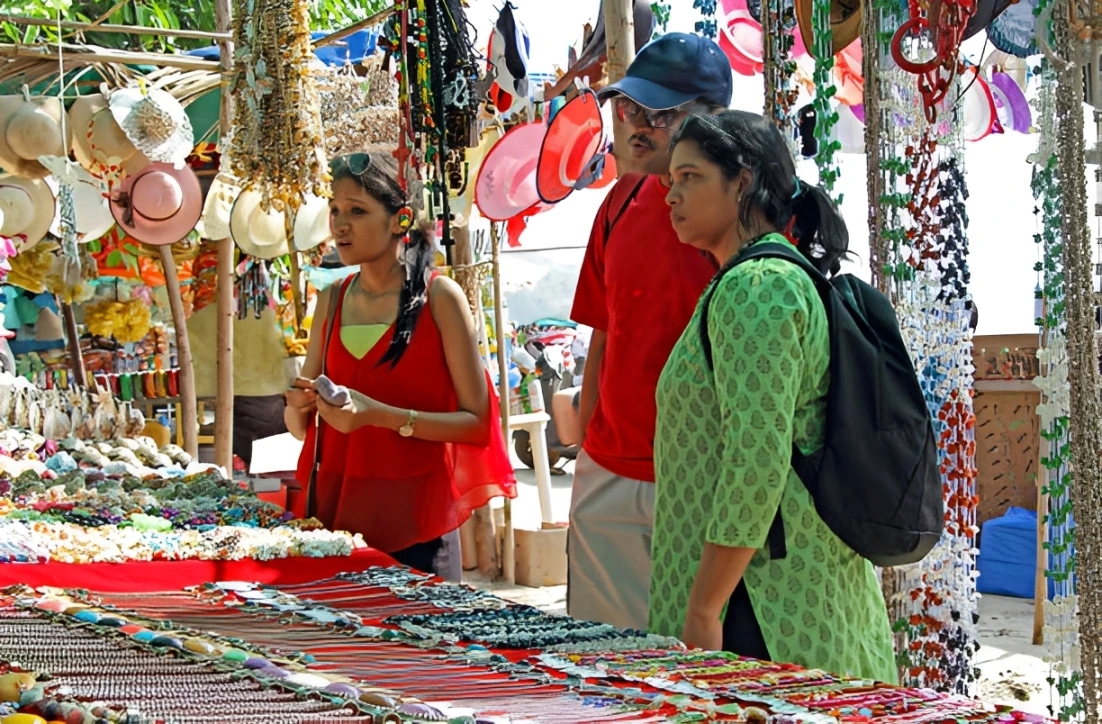
Yes, especially if you enjoy casual shopping and aren’t expecting a curated, high-end retail experience. The Calangute Flea Market works best when you treat it as part of the holiday rather than a place where every purchase has to be special, browse slowly, check quality and remember not everything labelled “Goan” or “handmade” should be taken at face value. Buy what you actually like, not what you’re talked into buying.
Whether you’re there for a quick souvenir run or a proper shopping evening, the Calangute Flea Market rewards a bit of patience and a good eye. Stick to the categories that hold up, skip the flashy traps and you’ll walk away with pieces that actually remind you of Goa long after the trip ends.
If you’d rather skip the commute and just walk over from where you’re staying, Red Thread hotels in Calangute Goa puts you a short stroll from the market, so you can shop, drop your bags and head straight back out for dinner.
FAQs
1. What can I buy at the Calangute Flea Market?
Beachwear, bags, jewellery, accessories, handicrafts, textiles, souvenirs and leather goods, plus Tibetan and Kashmiri-style stalls selling more of the same.
2. Is bargaining allowed at the Calangute Flea Market?
Yes, it’s common at most stalls, though how much room there is depends on the seller and the item. Compare a few prices first and negotiate politely.
3. What should I avoid buying at the Calangute Flea Market?
Poorly made products, suspiciously cheap “branded” goods and expensive items where the seller can’t give a straight answer on material or authenticity. For packaged food, check the seal and expiry date first.
4. What is the best time to visit the Calangute Flea Market?
The market stays active into the evening and cooler late afternoon hours are more comfortable for browsing. Exact hours vary between shops, so it’s worth checking locally on the day.
5. How much time should I spend at the Calangute Flea Market?
About one to two hours is usually enough for a relaxed browse, a bit more if you’re comparing several stalls or shopping for more than yourself.
6. Where should I stay if I want to visit the market?
Look at calangute hotels that are affordable depending on your budget or hotels near calangute beach if being close to the water matters most.